

May 20, 2026 · Niki
How to survive a liveaboard with a guest you can't stand
A field guide for when the boat is small, the trip is long, and one person is testing your patience. Funny, mostly. Helpful, definitely.
Year three of running trips, I had a guest, I will call him Greg, who managed to find something wrong with every meal, every dive site, every transfer, every nationality of every crew member, and at one point, the ocean itself. We were eight days into a ten-day liveaboard in the middle of the Banda Sea. There was no off-ramp. He was in cabin four. I was in cabin two. I could hear him through the wall.
If you are about to do your first liveaboard, here is a thing nobody mentions in the brochure: you are going to spend a week with a small group of strangers in a confined space, and statistically, at some point, one of them is going to drive you a little nuts. Maybe a lot nuts. It does not mean the trip is ruined. It means you are on a boat with humans. Here is how to handle it without throwing yourself overboard.
Day one, do not decide. Some people land hard. They are jet-lagged, they hated the bus from the airport, their luggage is missing, and their first dive briefing was conducted at a volume they did not enjoy. The person you meet on day one is not the person you will know by day four. Hold your judgment. The grumpy guy I just described has, on three separate trips, become my favorite person on the boat by day five. Twice he was a retired engineer. Once she was a divorce attorney. People decompress on different timelines. Give them theirs.
Find your dive buddy fast. Most of the friction on a boat is logistical. Who do I sit with at breakfast, who do I pair with on the next dive, who is going to grab the back row of the chase boat. If you have someone you click with by the end of day two, those questions answer themselves and you stop feeling like you are negotiating every meal. On well-run trips the leader pairs people who match. On any trip, you can do it yourself. Smile at the people you would want to dive with. They will smile back.
Avoidance is not a moral failure. There is a school of thought that says you should engage difficult people, find common ground, do the work. On a liveaboard, you do not need to do that. You are not married to them. You have a week. It is genuinely fine to swap your seat at dinner, dive in a different pod, hang out on the upper deck when they are on the lower. Adults can navigate this without it becoming a thing. You are allowed to protect your week.
The crew is on your side. This is the move I want every first-time liveaboard guest to know: if the dynamic is wearing on you, mention it quietly to the trip leader or cruise director. Not in a tattle-tale way. Just, 'hey, I think it would be easier if I dove with the other group tomorrow.' They have seen everything. They will rearrange briefings, dive pairings, table seating, transfers, all of it. Half the magic of an experienced crew is the choreography they do behind the scenes so the trip flows. You are not being high-maintenance by asking. You are giving them information.
Sometimes the difficult person has a point. This is the part nobody likes to hear. Greg, from cabin four, was right about three things over those ten days. The water filter in the galley really was funny-tasting. The current on the second dive at Manuk really was stronger than briefed. The chase boat seat really did need padding. He was not a pleasant messenger. But he was not wrong. Keep your ears open even when the delivery is rough. You do not have to like someone to learn from them. Some of the most useful trip feedback I have ever gotten came from people I did not enjoy.
The night five reframe. There is a moment, usually around night five, when the boat feels small and you start counting hours until home. This is normal. It happens on every trip, with every group, even the great ones. It usually passes by the time you finish dinner. Liveaboards are intense. Five days of intensity will make anyone briefly cranky. If your group has someone difficult, that crankiness lands on them. If your group is perfect, the crankiness has nowhere to go and you start picking on the towel folding. Either way, eat the dessert, go to bed, wake up at a new reef. It resets.
What we do about it on our trips. Small groups are not just a marketing line. We cap our boats specifically so the dynamic stays manageable, because twenty divers on a vessel has very different math than twelve. We also screen for fit, gently, in pre-trip conversations. Not because we want to keep difficult people off boats. Because we want to put people who will enjoy each other on the same one. It works most of the time. When it does not, see above.
If you are about to do your first liveaboard and you are reading this because you are worried about being trapped on a boat with strangers, here is the actual truth. Most groups click. Most weeks are some of the best of your life. And if you do end up with a Greg, you now know what to do. Go on the trip. You will be fine.
If you want a small-group trip where the dynamic is managed on purpose, that is the part I do all day. Tell me where you want to go, what your dive style looks like, and I will help you pick the right departure. The right group makes everything else easier.
Planning a trip?
I help travelers pick destinations, book operators, and handle the messy logistics. If something in this post sparked an idea, tell us where you want to go.
Keep reading
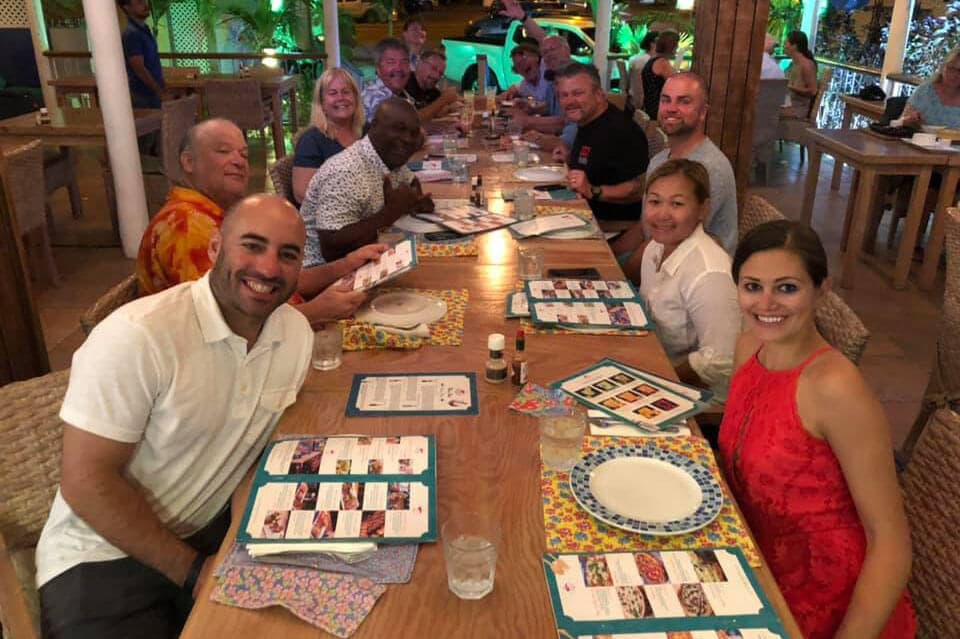
May 6, 2026
Group dive travel or solo? An honest comparison
Both can be amazing. Here is what each one actually feels like, and how to pick the one that fits where you are right now.
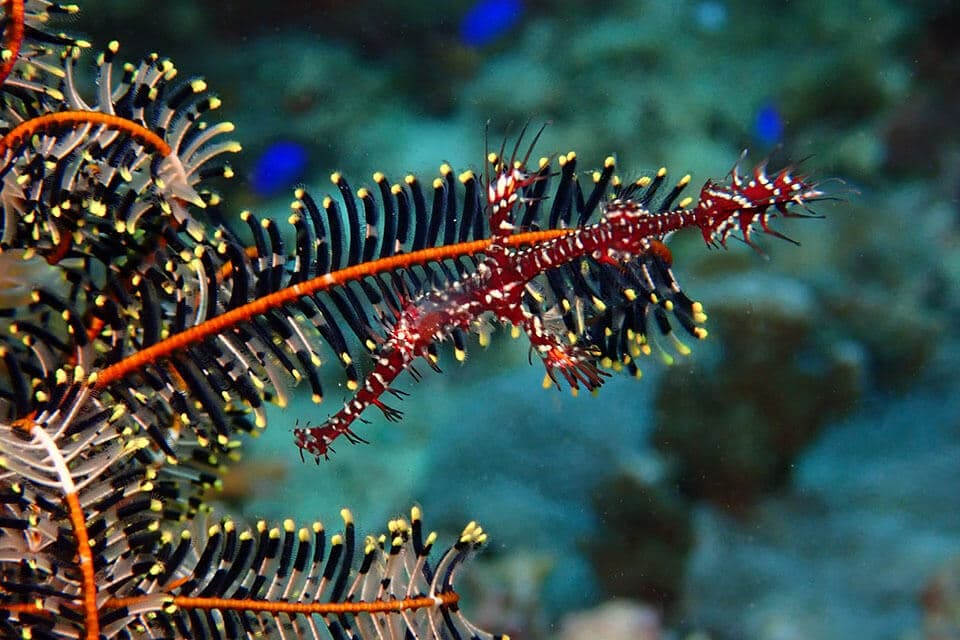
Apr 22, 2026
12 things I wish I had known before my first liveaboard
From cabin selection to seasickness prep, the practical things no one tells you about your first week on a dive boat.
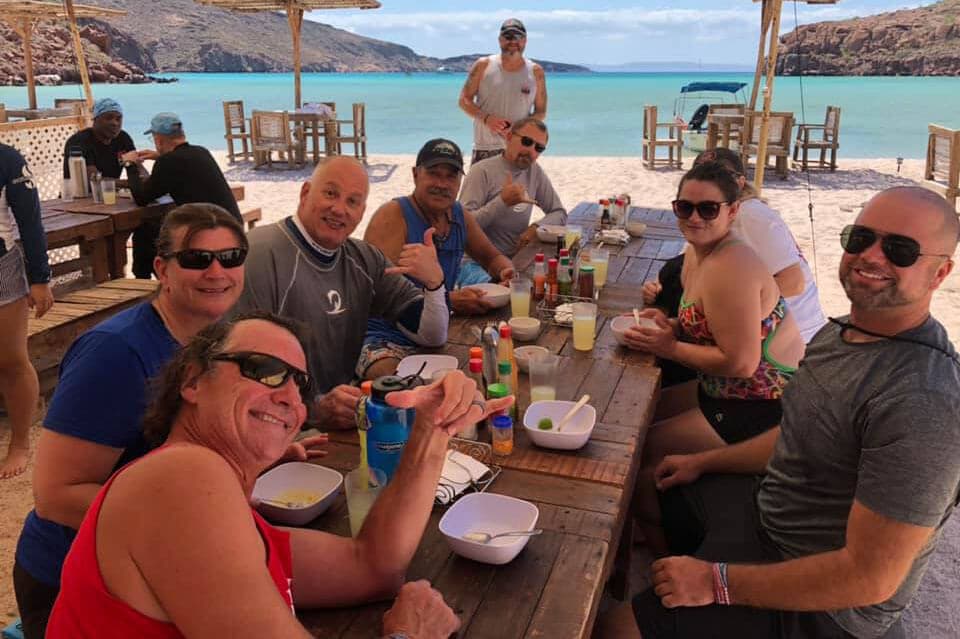
Apr 8, 2026
Liveaboard or land-based? How to choose your next dive trip
If you cannot decide between sleeping on a boat or in a hotel, here is how to think about it, written by a trip leader who has done dozens of each.